Cycling the Canal du Midi near Carcassonne
Photo: Jcb-caz-11, CC BY-SA 4.0, via Wikimedia Commons
Yes, the Canal du Midi is a very good ride around Carcassonne. The terrain is flat, the path follows the water beneath plane trees, and you can choose anything from a two-hour loop to a stage of more than forty kilometres. The trick is to pick the right stretch and to know what the surface is like at the time.
A cycle route on a national scale
The Canal du Midi links Toulouse to Sète over roughly 240 km, and has been a UNESCO World Heritage Site since 1996. It is part of the Canal des 2 Mers by bike route, about 800 km between the Atlantic and the Mediterranean, which follows the Garonne canal and then the Canal du Midi. In Carcassonne you are therefore on a signposted route designed for cyclists.
Which stretches near Carcassonne?
Carcassonne itself. The canal runs through the lower town. It is the easiest part to reach, ideal for a short family outing with the medieval Cité on the skyline. You can ride for an hour or two with no preparation at all.
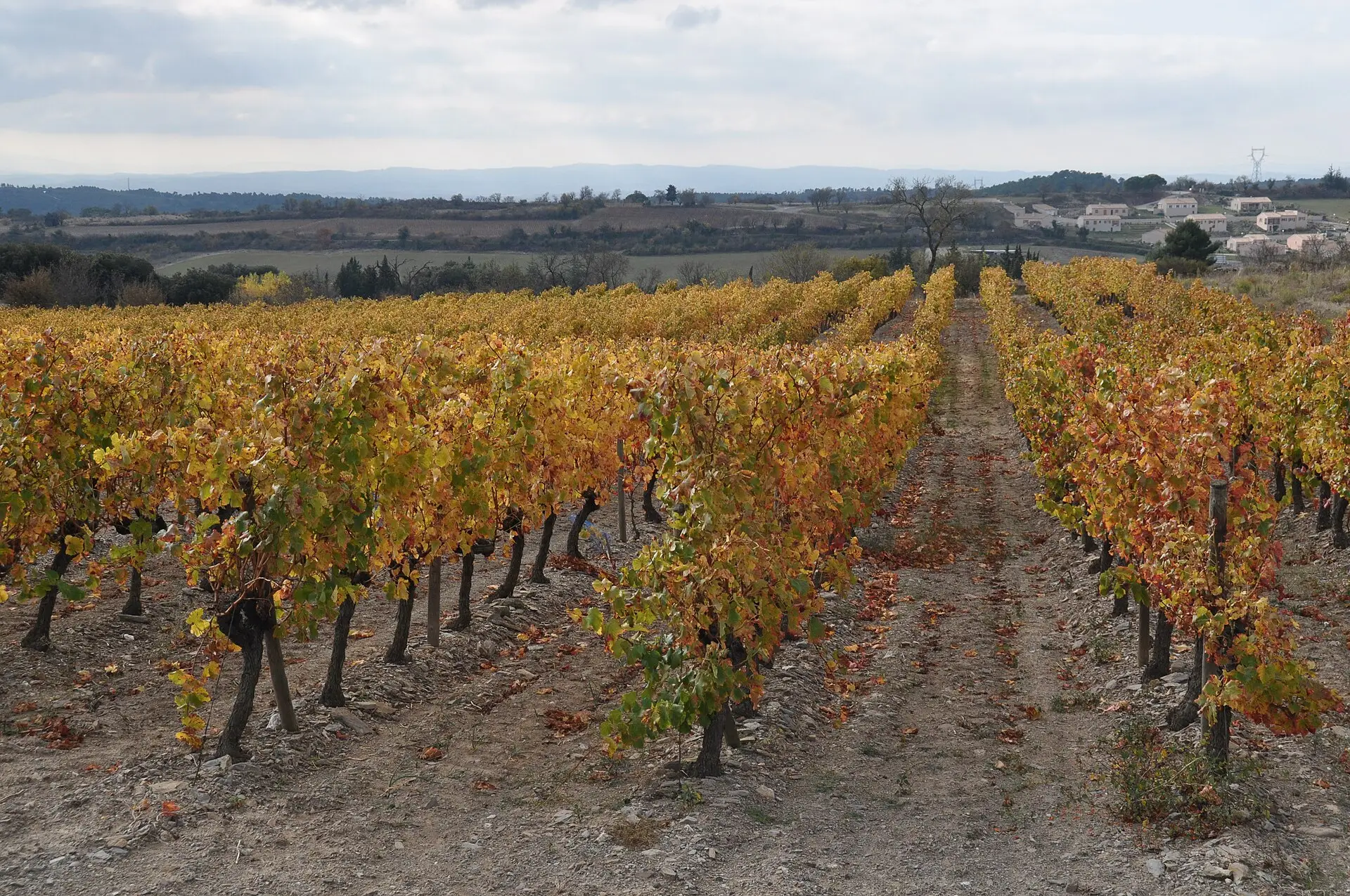
Carcassonne to Trèbes, Marseillette and Capendu. Heading east, the canal crosses wine country. Guides single out the port of Trèbes as a pleasant stop, with bakeries and restaurants, then Marseillette and Capendu.
On to Homps. The Carcassonne to Homps stage is about 42 km on flat ground. It suits regular riders. Allow a full day with breaks. You can also ride one way and arrange the return another way, planned in advance.
Towards Toulouse. The Toulouse to Carcassonne link is described as a lovely weekend ride, but signposting and surfaces on some sections have changed over time. Check current conditions before you go.
Where to leave the car near the house
Monique suggests parking at the Béteille lock, 5 km from the house: parking is easy and free, and the 17th-century lock keeper’s house is worth a look. From there, head due west along the towpath towards Castelnaudary. You reach the port of Bram, where the restaurant “L’Île aux oiseaux” stands, and you can keep going beyond it if your legs allow.
Three ways to ride it
- The two-hour stroll. Out and back from Carcassonne with no fixed goal, stopping at a lock or on a bench. It is the formula for families with young children.
- The half day to Trèbes. The first big stop to the east, with its port: have lunch, then ride back at leisure.
- The long stage to Homps. For experienced riders, with a proper plan for the return.
Whichever you choose, start early in summer, and keep a margin for the return: you ride more slowly than you expect when you keep stopping to look around.
Do you need an e-bike?
With flat terrain, an electric bike is not essential. It does help when the group has very different levels, when a headwind picks up, or when you ride several days in a row. If you hire one, compare the range quoted by the shop with your planned distance, and ask for the charger if you are away overnight.
Is the path always in good condition?
Not always. Cyclists’ accounts, some of them old, mention dirt or gravel sections, narrow in places and hard going after heavy rain, notably between Carcassonne and Marseillette. Slightly wider tyres beat thin road tyres, and it is best to avoid the day after a big storm.
Before you leave, check the maps and GPS tracks of the Canal des 2 Mers by bike, or the Aude tourist board’s website: they flag diversions and roadworks.
Where to hire a bike in Carcassonne
To hire a bike in Carcassonne, ask the tourist office, which can tell you which shops are open that season and on what terms. A few tips:
- Book ahead in July and August, and for e-bikes.
- Ask about child seats or trailers if you need them; they are not always in stock.
- Check the return: some shops let you drop the bike in another town, others do not.
If you bring your own bikes, our secure car park with six spaces gives you a safe place to leave them between outings.
What to do at the locks
The locks are part of the pleasure. The canal has dozens of structures, locks, bridges and aqueducts, which built its reputation. On a bike you will want to stop: watching a boat rise or sink in a lock keeps children entertained. Walk your bike through, as the path is sometimes narrow, and give way to the people working the gates.
Which season?
Spring and early autumn are the most pleasant: mild temperatures, low light, few crowds. July and August are hot, and the shade of the trees does not always make up for it, so set off in the morning. Our house is open from April to October, so you can pick your moment.
What to pack
- Water, more than you think: refreshment stops are in the villages, not always on the path.
- A hat, sun cream and sunglasses. Trees give shade in places, not everywhere.
- A repair kit: spare inner tube, pump, a small multitool.
- A lock, for stops in villages.
- A picnic. The banks are made for lunch on the grass.
- A light jacket: the wind can rise late in the afternoon.
What about children?
Flat and car-free is reassuring, but stay alert: the path runs beside the water, sometimes very close. Children who ride alone should stay ahead of you, with a helmet on, and the youngest do better in a seat or trailer. Plan frequent breaks: a bench, a bridge or a passing boat is enough to get everyone going again.
And the wine?
The canal runs through vineyards, so by bike you can stop near an estate without getting back behind the wheel. Our article on Minervois and Cabardès wine explains how to visit an estate and taste in moderation.
Staying near the canal
From our 18th-century winegrower’s house in Moussoulens, 10 km from Carcassonne, the canal is an easy drive, and you come home to a swim in the pool. We are open from April to October, with a three-night minimum (five nights in July and August), which suits repeated bike outings. See our other ideas on the surroundings page and check availability.