Minervois and Cabardès wine: visiting a vineyard near Carcassonne
Photo: Raoul Rives, CC BY-SA 4.0, via Wikimedia Commons
The vines around Moussoulens belong to the Cabardès appellation, and its neighbour Minervois begins a little further east. Two appellations of the Aude, both within half a day of our house, and two ways of tasting the land. Our guests nearly always come home with a few bottles, so here is how to go about it.
Is Moussoulens really in Cabardès?
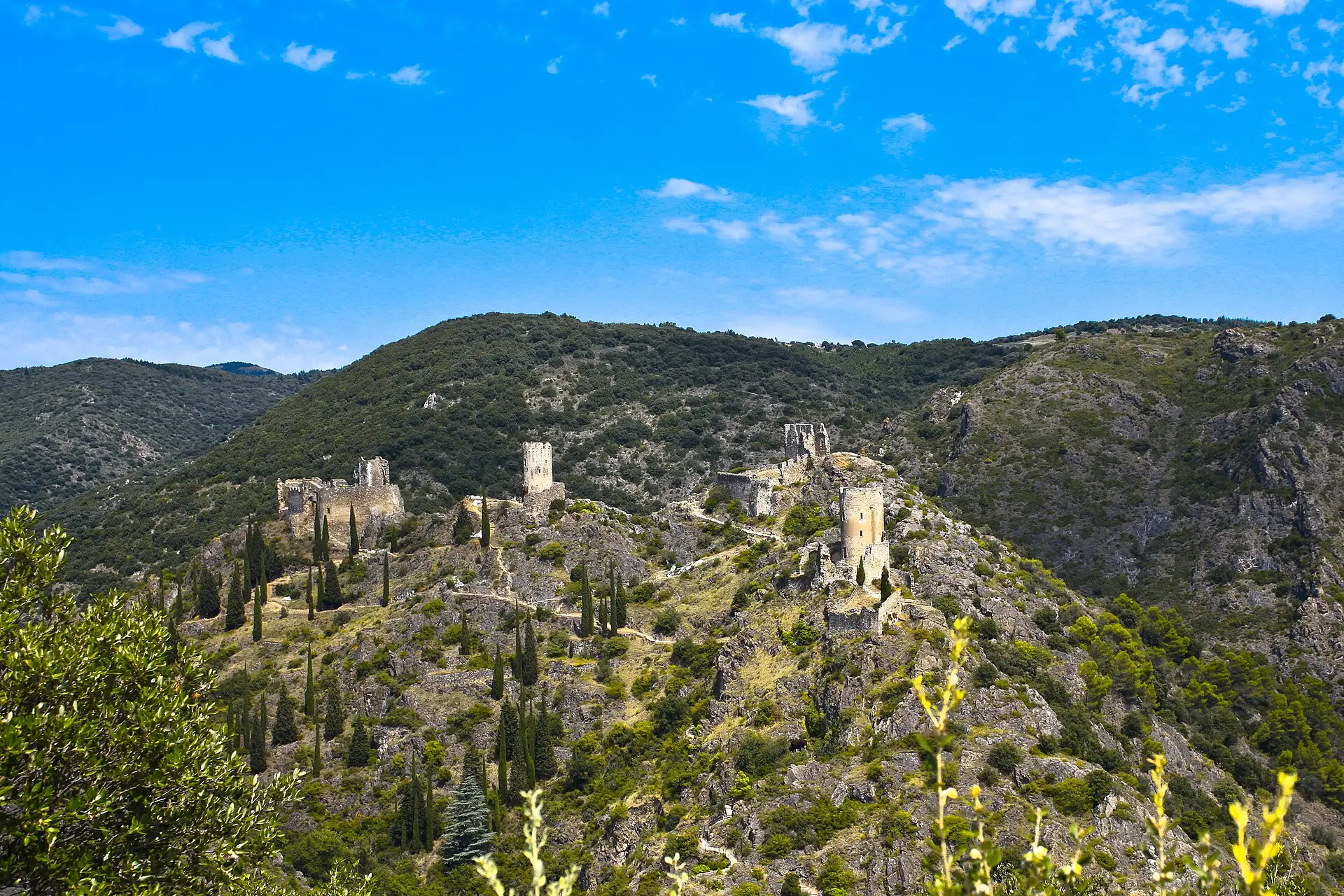
Yes. The village is one of the 18 communes in the Cabardès appellation area, along with Pennautier, Lastours, Villemoustaussou and Conques-sur-Orbiel. Our house is an 18th-century winegrower’s home. It lived through many harvests before it welcomed holidaymakers, and wine estates still work the land around the village.
What sets Cabardès apart from Minervois?
These are the landmarks we give our guests.
Cabardès is a small appellation of around 540 hectares, granted AOC status in 1999 after years as a VDQS. It makes red and rosé wines. Its particularity is its position where Atlantic and Mediterranean influences meet, and its rules blend grapes from both families: merlot, cabernet sauvignon and cabernet franc on one side, syrah and grenache on the other.
Minervois is far larger, roughly ten times the size of Cabardès according to the sources we checked, and has been an AOC since 1985. It covers three appellations: Minervois, Minervois-La Livinière (a cru for reds, with stricter rules) and Muscat de Saint-Jean-de-Minervois. Red dominates, built on grenache, syrah and mourvèdre, but there are rosés and whites too. The appellation counts nearly 1,100 producers, and its website lists over 200 estates and cellars.
In short: Cabardès is smaller and more blended in its grape varieties, Minervois larger and more varied. Both deserve an afternoon.
How do you visit a wine estate?
- Call ahead. Many estates receive visitors by appointment, especially off season, or close on Sundays. A phone call avoids a closed door.
- Choose the kind of visit. A tasting room offers a simple tasting. Other estates run guided tours of the vines and cellar, which take longer. Ask what is included and how long it lasts.
- Taste with curiosity. Ask about grape varieties and vintages, which winemakers love. You never have to buy, though a bottle makes a nice souvenir.
- Bring a cool bag. In summer a bottle left in a sunny car spoils quickly. An insulated bag in the boot solves it.
Monique happily recommends the Château de Serres. She also likes the Château de Pennautier, whose handsome tasting cellar backs onto the restaurant La Table du Château, set in the old wine stores: visitors are welcomed there to taste wines of the Cabardès. To find other estates, two good starting points: the Cabardès growers’ association (search for Vins du Cabardès) publishes a list of its producers, and for Minervois the Minervois website lists more than 200 estates and cellars with contact details and visiting information. The Carcassonne tourist office can also point you in the right direction, and we are happy to talk it over in person.
Tasting responsibly
A tasting means small sips: you taste, smell and can spit. A tasting glass holds only a little, but four or five wines add up.
- Name a designated driver who barely tastes, or not at all, and swap roles from one day to the next.
- Eat before and during. A picnic or lunch near the estate, and water between wines.
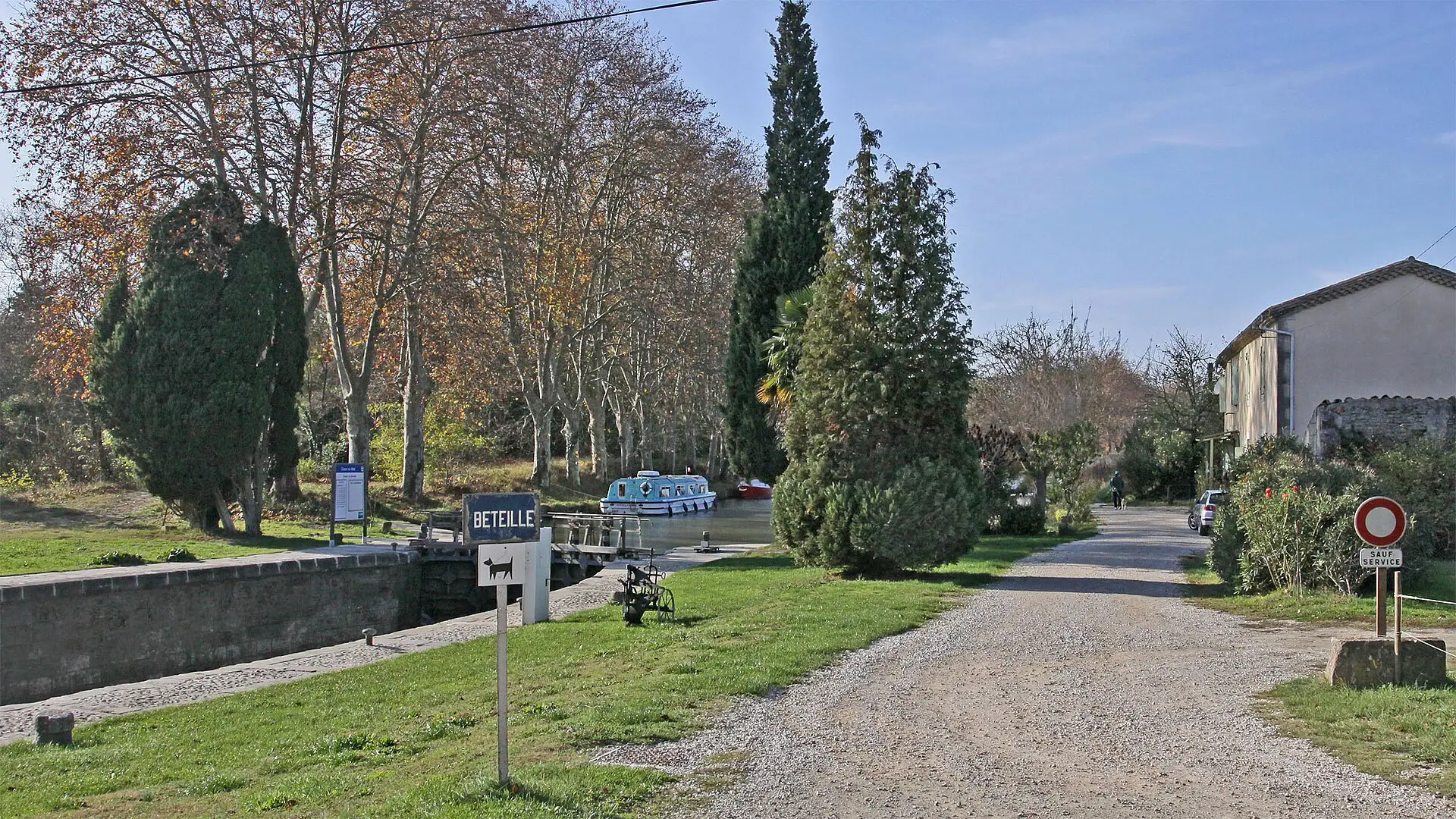
- Go by bike. The Canal du Midi by bike runs through wine country, so the cycle path can take you near several estates without getting back in the car.
- Walk home if you can. With footpaths 200 m from the house, an evening stroll rounds off the day.
Drink in moderation: excessive alcohol is bad for your health.
What can you expect from a visit?
Depending on the estate, a visit can range from a simple tasting in the cellar shop to a walk through the vines followed by a tour of the winery. Some add a meal or an event: a large truffle and wine market, for example, is held every winter in Moussoulens, though it falls outside our opening season. Either way, allow an hour to an hour and a half per estate, and do not plan more than two in a day if you want to enjoy them.
What to do with the bottles you bring back
Bringing back a case is tempting, and easy when you leave by car. A few habits help: wrap the bottles in a rigid carton, avoid a boot in full sun, and ask the estate whether it ships larger orders. If you fly home, check your airline’s rules for liquids in the hold.
At the table, reds from these appellations go well with a plancha. Ask the winemaker for advice on the spot: they know better than we do what goes with what.
Fitting it into your stay
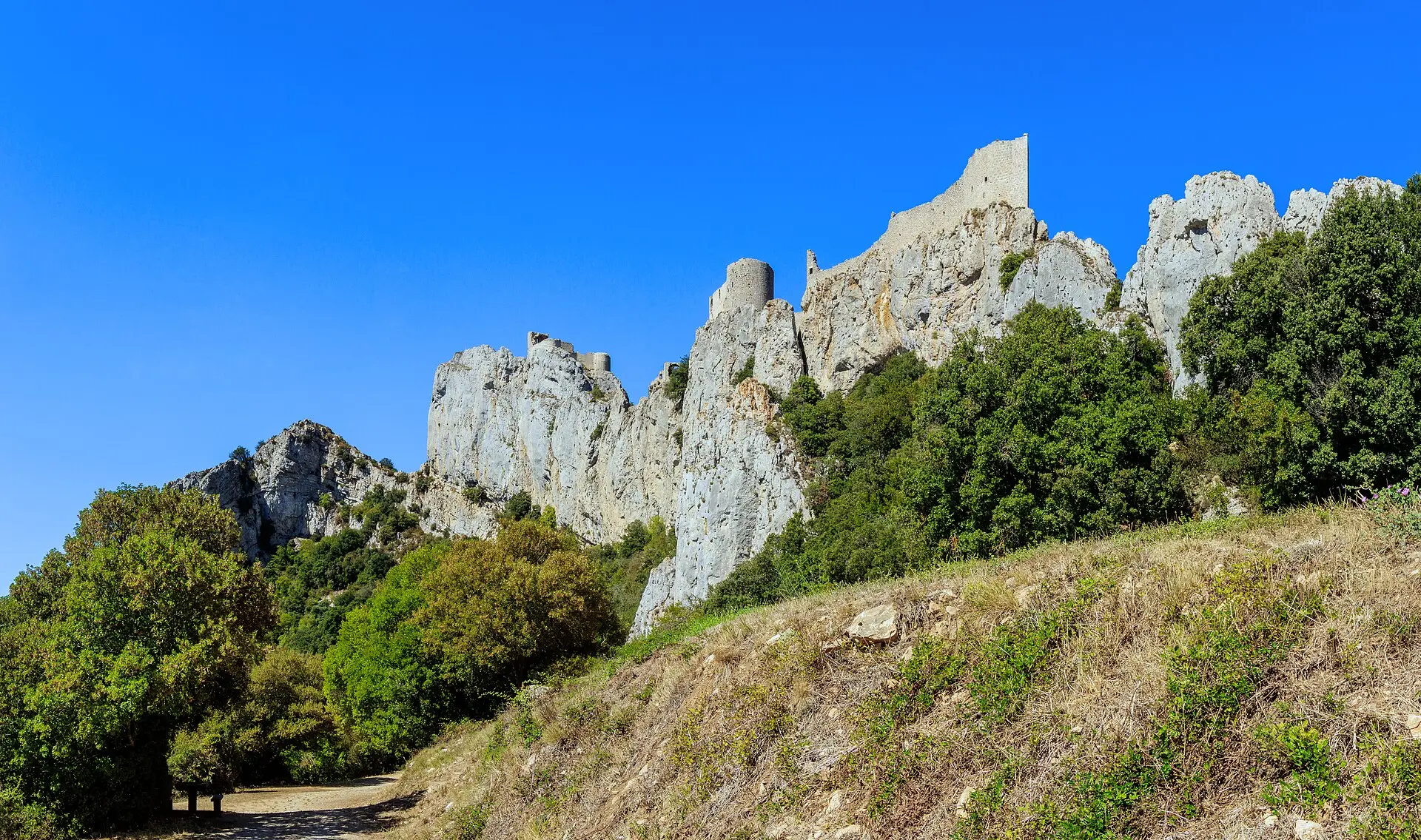
The harvest takes place in late summer; ask the estate first, as it is a busy time for winemakers. Our house is open from April to October with a three-night minimum (five nights in July and August), which leaves time to combine a tasting day with other outings: the Cathar castles, Lastours or the Montagne Noire. More ideas on our surroundings page.
Back at the house, the open-plan kitchen is fully equipped and the Orangerie is set up for meals: bottles you bring home taste very good there, with the plancha lit. To book, see availability and booking.